


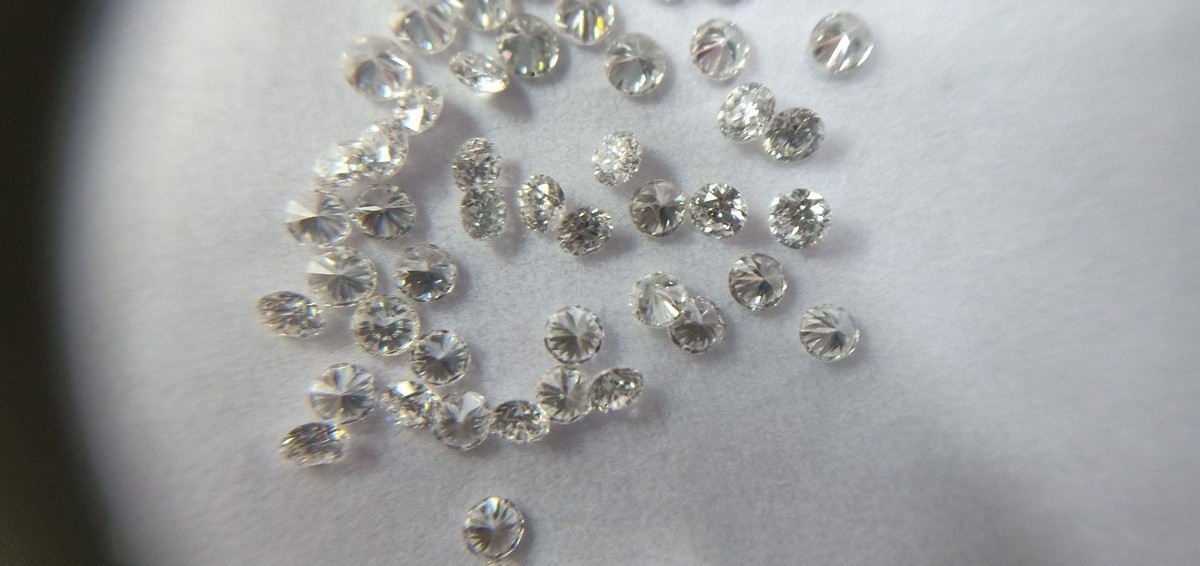
When shopping for a lab-grown diamond, one of the key decisions you’ll face is choosing which gemological laboratory’s grading report to trust. Two of the most respected names in the industry are IGI (International Gemological Institute) and GIA (Gemological Institute of America). While both offer high-quality grading reports for lab-grown diamonds, there are differences between them that can affect your decision. This article will compare IGI and GIA lab-grown diamonds, helping you understand their grading processes, reputation, and differences to make an informed purchase.
Understanding Lab-Grown Diamonds: The Basics
Before diving into the specifics of IGI and GIA, it’s important to understand what lab-grown diamonds are. These diamonds are created in a laboratory setting using high-pressure, high-temperature (HPHT) or chemical vapor deposition (CVD) methods, which mimic the natural process of diamond formation. The result is a diamond that is chemically, physically, and optically identical to a natural diamond.
Both IGI and GIA grade these diamonds based on the 4 Cs: Cut, Color, Clarity, and Carat Weight.
IGI Lab-Grown Diamonds: A Closer Look
What is IGI?
IGI is one of the most well-known and established gemological labs in the world. With over 40 years of experience, IGI provides comprehensive grading reports for both igi vs gia lab grown. IGI’s reports for lab-grown diamonds are highly respected in the market and are known for their accuracy and consistency.
Grading Process at IGI
The grading process at IGI is similar to the one used for natural diamonds. Lab-grown diamonds are examined under magnification to assess their cut, clarity, color, and carat weight. IGI also tests for whether a diamond is lab-grown using advanced equipment to distinguish it from natural diamonds.
Pros of IGI Lab-Grown Diamonds:
- Extensive experience in grading both natural and lab-grown diamonds.
- Offers comprehensive reports that are easy to read.
- Fast and affordable grading process compared to some other labs.
Cons of IGI Lab-Grown Diamonds:
- While highly reputable, IGI is sometimes criticized for slightly more lenient grading compared to other labs, such as GIA.
- Some jewelers or buyers may prefer a more stringent grading system.
GIA Lab-Grown Diamonds: A Closer Look
What is GIA?
GIA, the Gemological Institute of America, is widely considered the gold standard in diamond grading. Known for its unbiased and rigorous grading practices, GIA has been grading diamonds since 1931. GIA’s grading reports for lab-grown diamonds are trusted by many jewelers and consumers around the world, especially when it comes to natural diamonds.
Grading Process at GIA
GIA uses the same grading criteria for lab-grown diamonds as it does for natural diamonds. Lab-grown diamonds undergo extensive examination in GIA’s advanced laboratories. GIA is known for its highly precise grading process, and its reports are often considered the most stringent in the industry.
Pros of GIA Lab-Grown Diamonds:
- Highly respected for its precision and stringent grading standards.
- Trusted globally by consumers, jewelers, and insurers.
- Offers detailed, in-depth reports that are recognized by both industry professionals and buyers.
Cons of GIA Lab-Grown Diamonds:
- More expensive grading process compared to some other labs, including IGI.
- Longer processing times due to the thoroughness of their grading.
Key Differences Between IGI and GIA Lab-Grown Diamonds
1. Grading Standards
While both IGI and GIA use the 4 Cs to grade diamonds, GIA is known for its more conservative and stringent grading standards. GIA’s reputation for accuracy and precision often leads to more conservative assessments of diamonds, which can sometimes lead to a slightly lower grade compared to IGI.
IGI, on the other hand, is generally seen as being slightly more lenient, particularly when grading clarity and cut. This difference may result in an IGI-graded diamond appearing slightly more attractive on paper compared to one graded by GIA, although both diamonds are of the same high quality.
2. Recognition and Reputation
GIA is the most widely recognized gemological institute in the world, particularly in the luxury diamond market. Their reports are trusted by top-tier jewelers, insurers, and consumers. IGI is also highly respected, especially in the lab-grown diamond market, but it is often seen as less prestigious compared to GIA.
3. Cost and Turnaround Time
GIA’s grading process tends to be more expensive and time-consuming compared to IGI. If you’re looking for an affordable and faster option, IGI may be a better choice. However, for those who prioritize having a grading report from the most respected institution in the industry, GIA may be worth the extra cost.
Which Should You Choose: IGI or GIA for Lab-Grown Diamonds?
Consider Your Priorities
- If you want a highly respected, rigorous, and precise grading report that is globally recognized, GIA is likely your best option. It provides an in-depth analysis of the diamond and offers peace of mind for buyers looking for the most stringent grading.
- If you’re looking for an affordable, fast, and reliable grading option with an extensive history of grading lab-grown diamonds, IGI is an excellent choice. IGI is particularly well-regarded for its expertise in lab-grown diamonds, making it a trusted option for many buyers.
Final Thoughts
Both IGI and GIA offer valuable insights into the quality of a lab diamonds. While GIA is the more prestigious of the two and is known for its strict grading standards, IGI offers an affordable and reliable alternative. Your choice will depend on your budget, the importance you place on the grading report’s prestige, and your specific needs as a diamond buyer.
By understanding the differences between IGI and GIA, you can make an informed decision and choose the perfect lab-grown diamond for your needs.