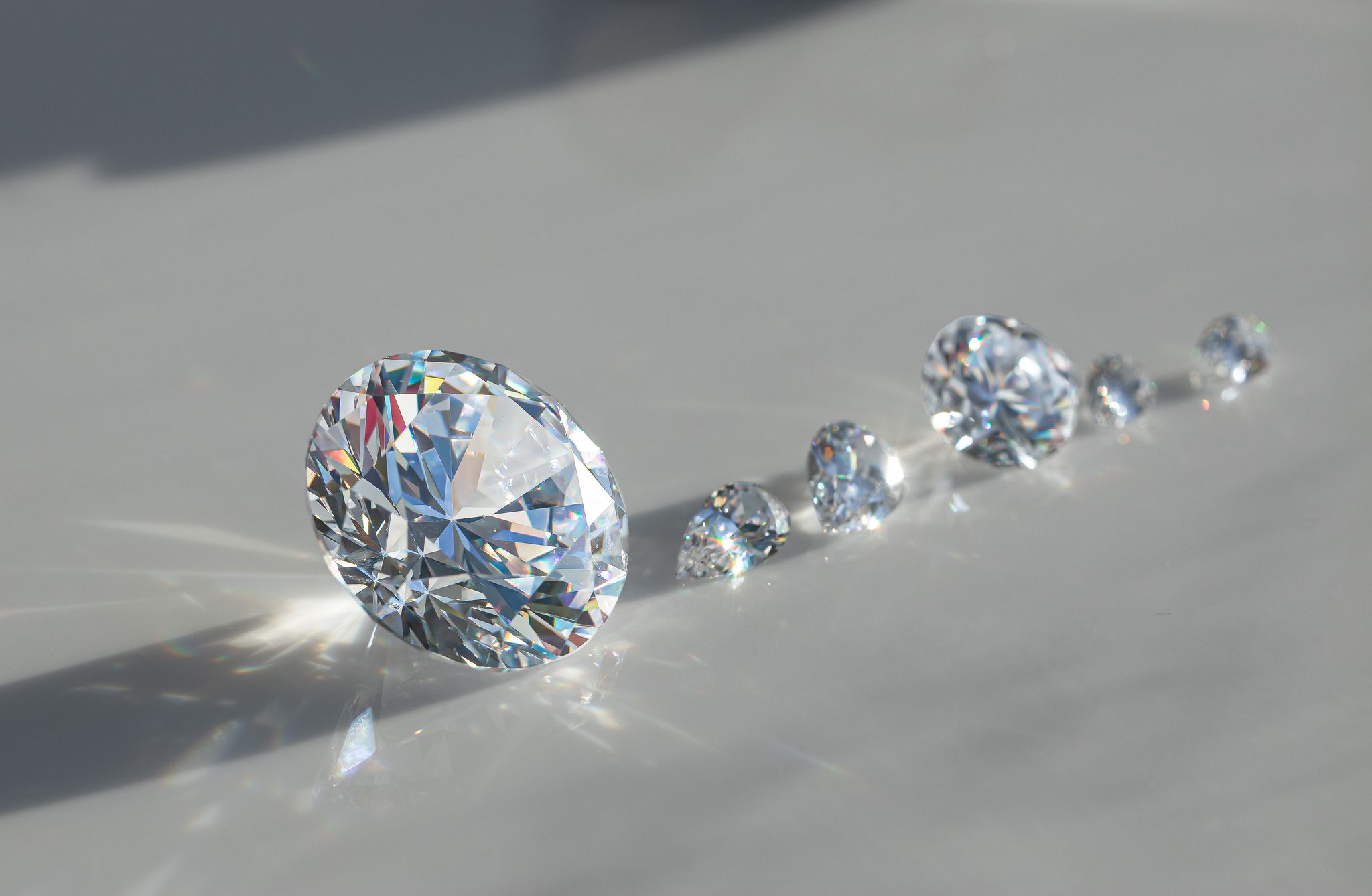


Forma Ovalada In Modern Jewelry
Out of all gem cuts, the oval stands apart – not just as design but as choice. People pick it not because they always did, but because it fits how they see things today. A stretched silhouette makes the stone seem bigger, even when it isn’t heavier. Soft edges flow like natural lines, adapting easily to fingers of any form. Settings change around it, not the other way. What looks delicate still holds strength in structure. Most folks searching for Forma Ovalada care about grace you can actually use. Not just flash, but fit – how it lives on the hand matters too. A choice like this sits between bold and quiet, different enough to notice yet smooth enough for daily life. Lately, more of them reach for diamonds made under lab lights instead of deep earth heat. Pairing an elongated silhouette with human-made crystals has become common. It makes sense when you think how far those stones have come. A bigger, clearer stone might fit within their usual spending limit. This shifts how decisions are made about purchases.
What Lab Grown Diamonds Are
Deep below Earth’s surface, natural diamonds take ages to form. Lab made ones appear in weeks inside controlled chambers. Both share identical carbon lattices. Fake gems such as zircon won’t match that makeup. Origin tells them apart – pressure and time versus technology and precision. Out of high-tech labs come diamonds made by mimicking nature’s deep-earth recipe – intense heat plus crushing pressure, all managed inside precise chambers. One way involves metal catalysts guiding carbon into crystal form; another uses gas exposed to energy beams until solid gems slowly build up
- High Pressure High Temperature or HPHT
- Chemical Vapor Deposition or CVD
Just like natural ones, these stones pass as real in looks and function. When it comes to cutting and polishing, identical rules apply across the board. Take a lab-grown oval weighing one carat – its clarity and shade might match exactly what a certified stone earns after evaluation by a known assessor.
Buyers Shift Focus to This Choice
For plenty of folks, cost kicks off the interest in this market. Less money needed when picking a lab made gem that matches a natural one’s quality. Because of lower prices, attention shifts toward artistry and details without losing out on carat weight or purity. Knowing every step matters just as much to some shoppers. Where it came from, how it formed – those facts hold real value now. Creating labs opens up shorter routes for supplies. Another point – flexibility shows up here. Choices tend to appear: you pick what fits
- Larger carat sizes
- Higher clarity grades
- Better color ratings
- Custom cuts including oval shapes
Bold looks mean nothing if the band won’t last daily life. A piece should hold up just as much as it stands out.
oval shape affects how things look
Most oval gems look longer on your hand. This shape gives more face-up size compared to other styles of equal weight. Because it fills space well, it works neatly with man-made stones. Shoppers get a wider top without spending extra. Light moves through an oval in a gentler way. Most times, round stones mirror light with sharp balance. Oval shapes move brightness in sweeping waves instead. People sometimes like that – it seems softer to them, almost alive. Look at hand presence next. Take a 1.5-carat oval; it stretches across the finger wider than its round twin of same weight. That shift changes everything – how it catches sight when waving, how it shows up on camera, even how heavy it feels without adding grams.
Things to Review Before Purchasing
A diamond might look like another, yet differences hide in plain sight. Look beyond the label if you want to see what really matters. One thing becomes clear after checking closely – details make the difference.
Cut Quality
Most folks miss how much cut impacts glow and flash. Oval stones show it clear – bad cuts leave dull zones right in the middle, like a bow tie. Tiny shadows happen now and then. Big ones? Not so good. Skip just reading reports. Watch actual clips. See how light moves across the surface before deciding.
Length to Width Ratio
Whether the oval looks stretched or broad depends on this number. People often like these options:
- 1.30 around 1.35 to keep things evenly shaped
- 1.40 Some might find less bulk creates a leaner look
Some folks chase numbers without reason. What you like beats what’s popular every time.
Clarity
Most of the time, an oval diamond keeps flaws out of sight more easily than a stone cut in steps. This changes how clear it needs to be on paper – near perfect isn’t always required. A flaw you never see might live inside a VS2 piece just fine. Eye cleanliness shows up even when the grade dips slightly below top marks.
Color
Warmth tends to shine through oval cuts better than it does in round ones. For a look closer to pure white, think about G or H shades instead of higher ratings.
Certification Still Matters
Look out for proof of third-party approval. Groups you can rely on will assess these factors:
- Carat weight
- Cut quality
- Color grade
- Clarity grade
A fresh look at value begins lab grown diamonds with a grading report. Yet comparison between gems gains fairness through it too. Relying solely on what sellers say happens without certification.
Common Settings for Oval Diamonds
Picture this shifting scene alters both the gem’s appearance and its safety through everyday use. Favorites pop up like these:
Solitaire
An oval diamond sits center stage, held by barely there metalwork. With little around it, the gem’s form stands out without distraction.
Hidden Halo
Beneath the main gem, tiny stones find their place. Not scattered wide, they’re tucked right under. Light jumps off them but up above everything still looks smooth. From on top you see just one clear face.
Three Stone Ring
A pair of smaller gems sits on each flank of the central oval stone. With balance in mind, this layout stretches the look across more space.
East West Setting
On its side, the oval lies flat rather than standing up. That shift gives it a newer look while altering how much fingertip touches.
Maintenance and Durability
Even though diamonds top the scale for toughness in jewelry, lab-made ones match that strength just fine. Because they’re built the same way, everyday use won’t break them down fast. Yet treating them right makes a difference. Over time, small habits add up – like wiping them after wear, storing each piece apart, cleaning with mild soap, checking settings now and then, keeping them away from harsh chemicals
- Start by soaking the ring in soapy water. A soft brush works well here, gently moving around the edges. Warmth helps loosen buildup without harm. Rinse it under running water after scrubbing. Finish by drying with a cloth that leaves no lint behind
- Store jewelry separately to avoid scratches
- Check prongs regularly for looseness
- Remove rings during heavy manual work
Keeping it clean keeps the sparkle alive while holding stones firmly in place.
How Pricing Actually Works
What you pay ties directly to how natural diamonds are rated. Things like cut, color, clarity matter just the same
- Carat
- Cut
- Color
- Clarity
Not how it’s made but where it comes from sets them apart. Since these gems are built in controlled settings rather than pulled from the earth their pricing shifts in a distinct way. Buyers often find they can pay less attention to old trade offs. Picture wanting a larger stone without losing sharpness inside – suddenly that balance feels reachable. Room to choose like this helps explain why more people are looking closely at lab created options.
Choosing an Oval Diamond?
It really comes down to your priorities. Go with oval when what you value is clear
- A larger visual appearance
- A softer elongated outline
- Strong finger coverage
- A design that balances classic and modern styles
Putting that silhouette together with a man made gem opens up extra choices without changing your budget. This mix lets shoppers adjust both look and carat more easily.
Common Questions
Do lab created diamonds last as long as mined diamonds?
True. Just like real diamonds, these share identical build and strength. Though lab-made, they stand up just as well over time.
Most folks struggle to spot which gem came from underground versus a workshop.
A stone made in a facility looks just like one pulled from rock deep below. Eyes alone can’t catch how it was formed. Only special tools reveal the truth behind each sparkle.
The origin stays hidden without science peeking inside.
Looking at it won’t help most folks tell them apart. Typically, you need specific tools to spot the gap.
Forma Ovalada as an Engagement Ring Choice?
True enough. With its smooth curves, the oval cut stands out through balanced design while fitting naturally on the hand – so many choose it for proposals. Still, what matters is how it feels when worn each day.